
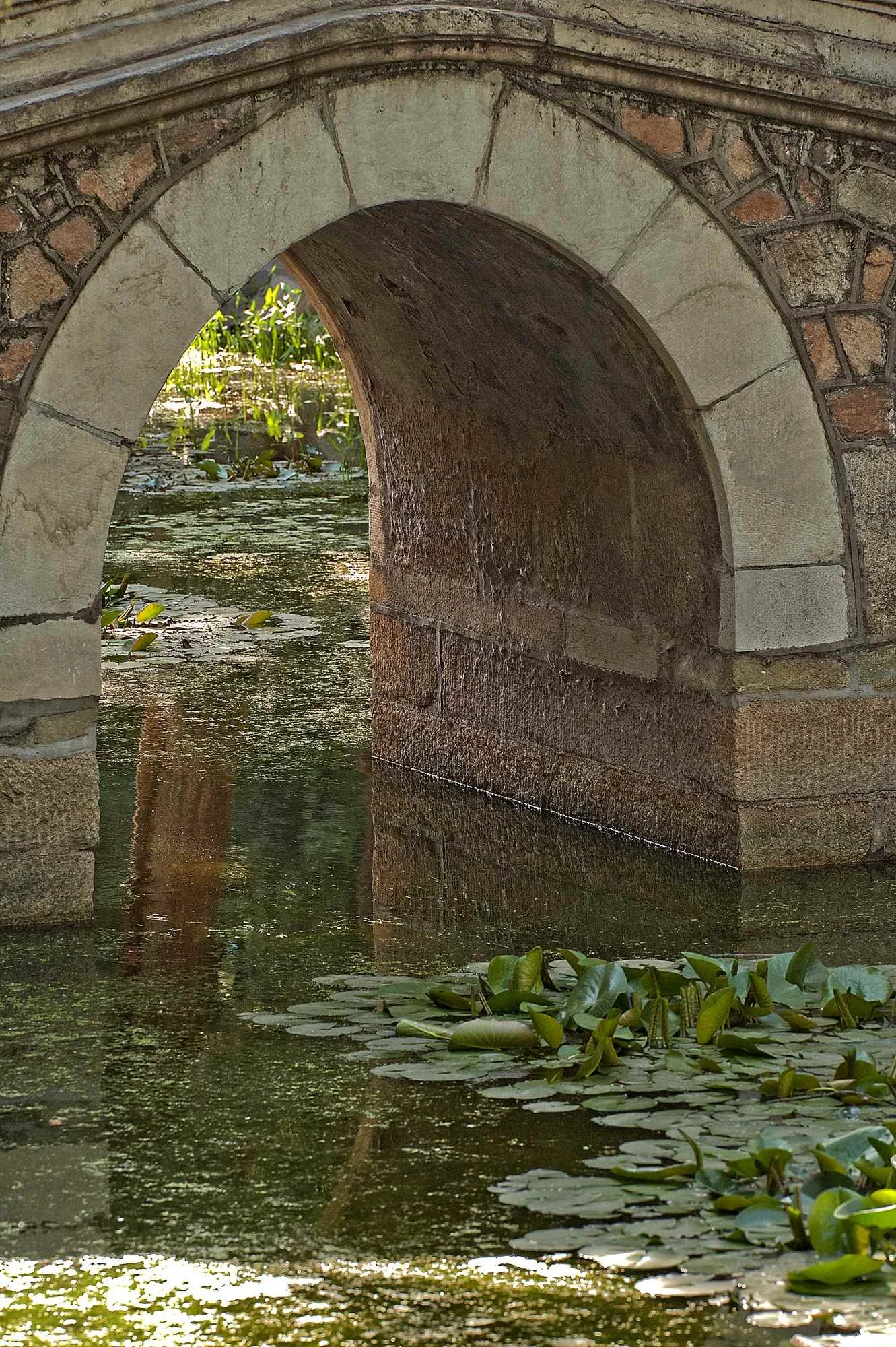
Summer Palace, Beijing
A name for an ancient idea. How do spaces become imbued with deep meaning? JohnRB takes a look.
Many gardens have deep symbolic meaning. In Japan of course, but across the world.
Topogenesthics is a word I use to describe the study of how spaces are imbued with meaning. Naturally, it has deep relevance in the symbolic gardens of Japan — as discussed in the garden section — and it’s a theme I often return to in my newsletters.
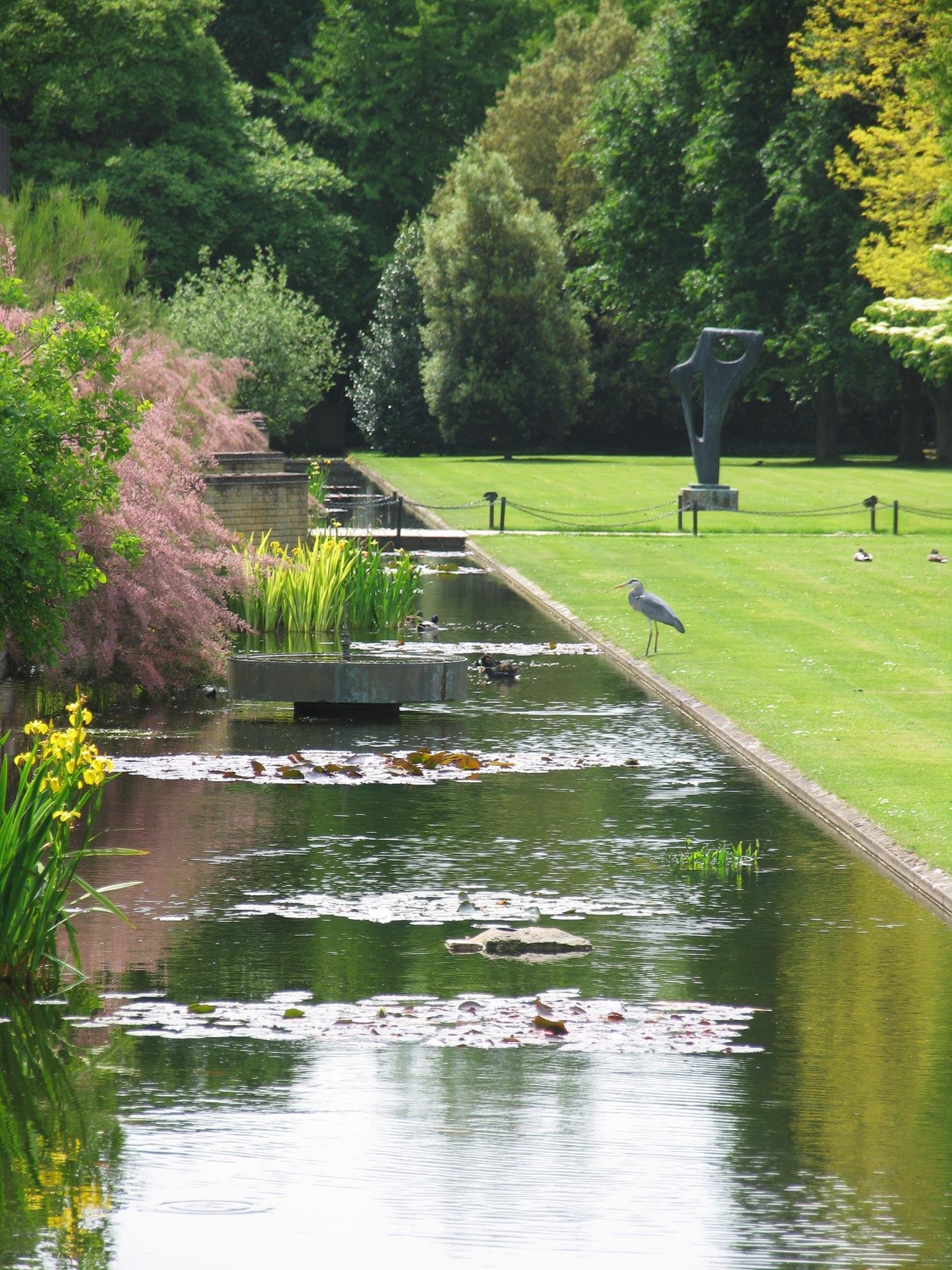
St Catherine’s College, Oxford
Yet the idea is quite familiar in the West. Stowe, Stourhead, Blenheim, and Rousham express it directly, as do Sanssouci, Versailles, and the Alcázar in Seville. Nor is it limited to palace gardens: Hidcote creates its distinctive aesthetic experience through its ‘roomed’ structure.
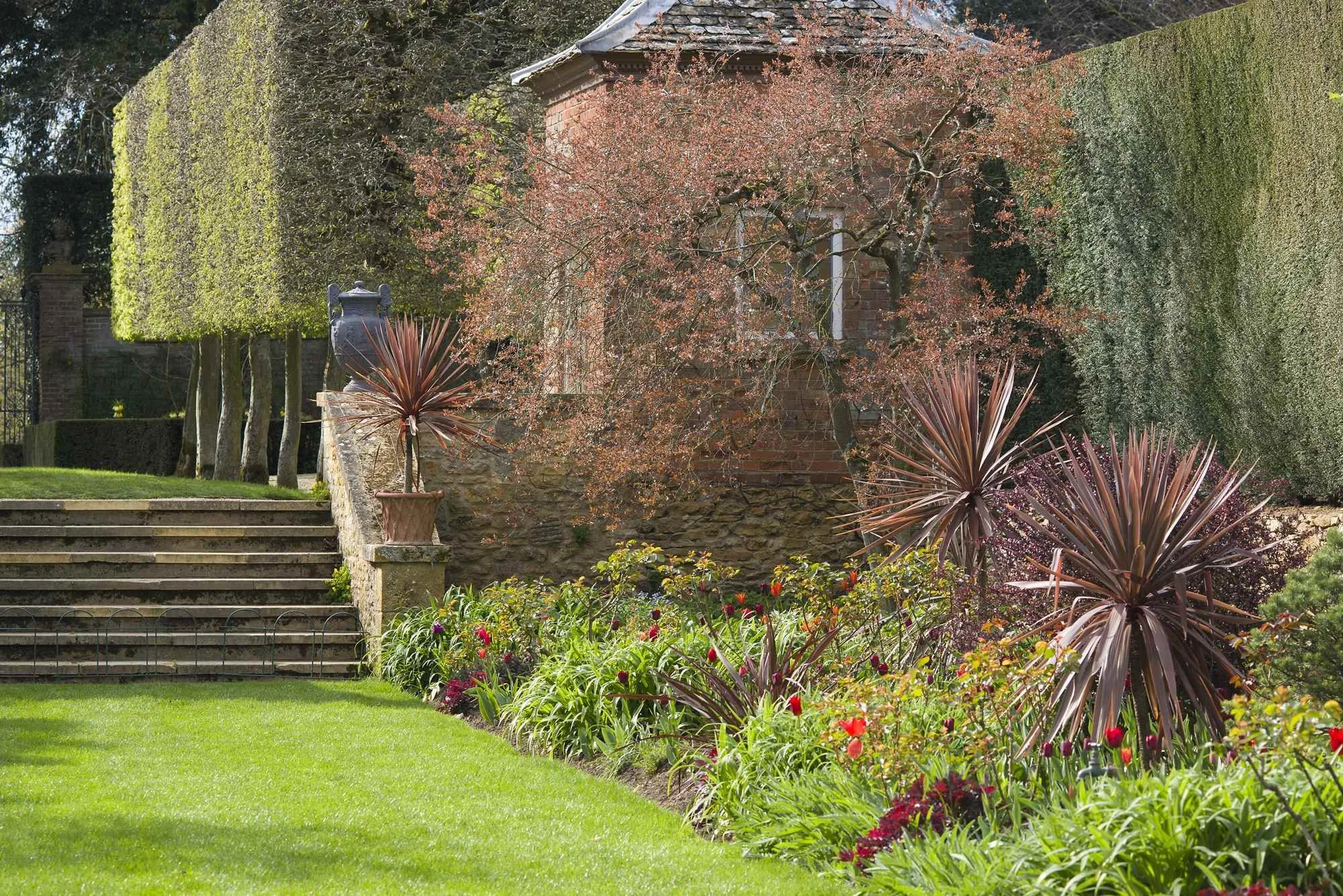
Hidcote
It’s not just gardens either. Many spaces derive their meaning from arrangements around a monument — Trafalgar Square, or the Reflecting Pool in Washington, D.C., for example — or around a building or buildings; fore example, there are many university campuses where this applies. As one contemplates such spaces, one realises that their power often stems from forms and scales borrowed from wilderness. And this, in turn, points back to Simulism: how humanity is prefigured to seek meaning in everything. We are constantly considering our environment in terms that may start as hard material fact, but quickly also operate as symbol and metaphor.
It shows how art offers the right questions to fulfil our desire to find significance in the world.
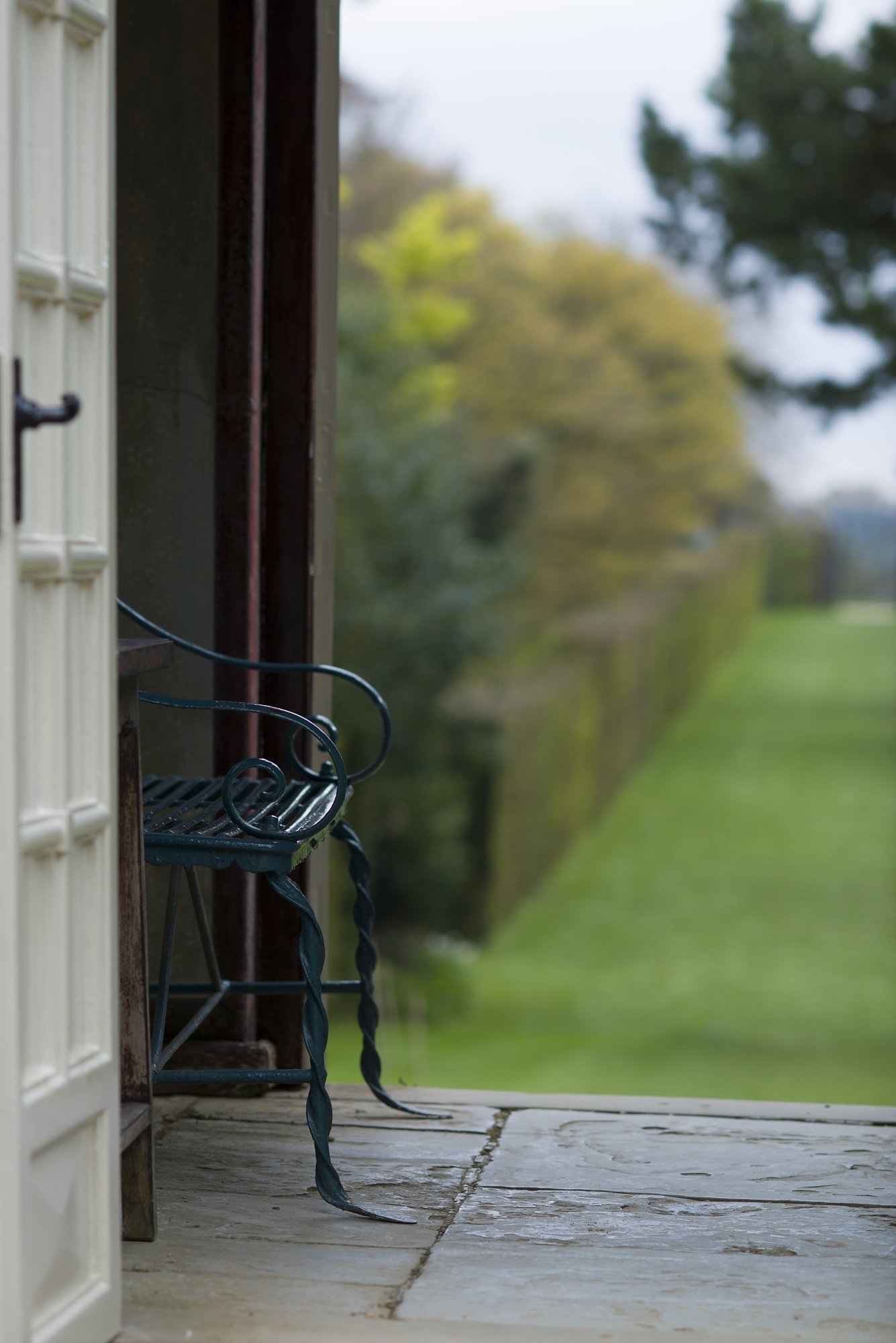
Hidcote
This is why I have coined the term: to provide status to an area of research and discourse that is not conveyed by terms such as garden aesthetics, as this is not about beautification, but space as signifier of ideas, emotions and beliefs.
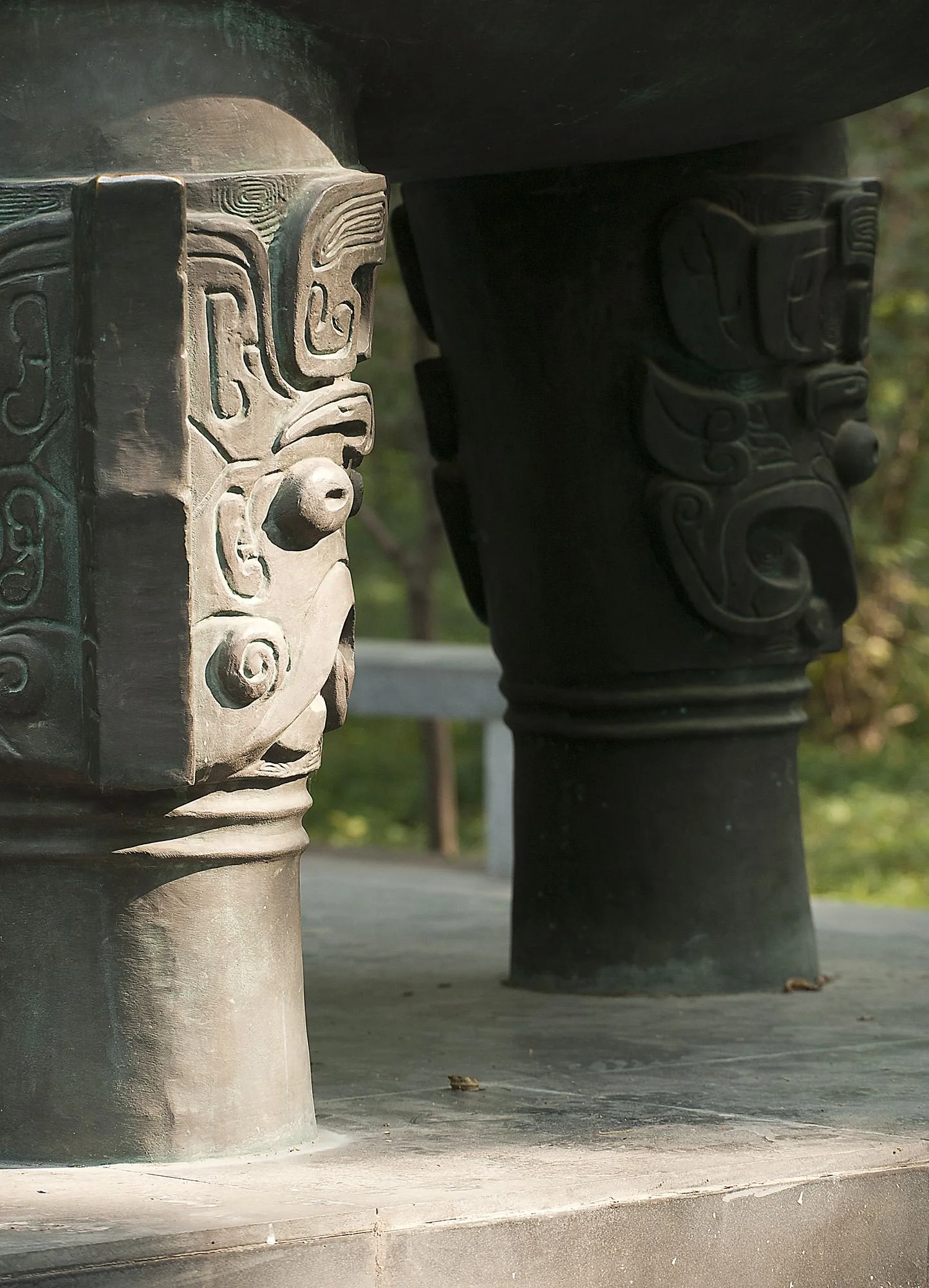
Nanjing University campus