
A new way of looking. What it is. What it means for art. The roots of the idea
Imagine you’re sitting in a cave. Imprisoned. In front of you, shadows dance on the wall, cast by a fire behind you. You watch them, laugh at them, feel scared by them, maybe even believe them. This is one of the oldest stories in philosophy, told by Plato over 2,000 years ago. He thought the shadows were fakes, and the “real” truth was somewhere else, outside the cave.
Simulism says: no — the shadows are our world. They are not lies, but the only reality we have.
But how did we get here? Western thought has been circling this problem for centuries. Aquinas believed that humanity must have God — and if you believe, that solves everything. But once science made belief in God harder, not because science was wrong but because it left us staring into a void, the question became: if there is no God, what gives us meaning?
The Renaissance tried to answer with self-fashioning: the idea that a person could shape themselves like art. You know the type — a great man making so much of himself, though in the end it feels hollow. Think of Julius Caesar: it’s Shakespeare’s play we remember more than the historical man himself. Shakespeare saw the problem with this thinking: vanity, or vanitas as it was called then. The glitter of the self began to look empty. It did for Caesar on the steps of the Forum, and it did for that whole school of thought too.
Cynicism followed. We call this Mannerism. Look at paintings of the time by Vermeer or Velázquez: they sometimes include the painter painting, reminding you it’s all made up. Clever, but hollow. It denies people the meaning they need.
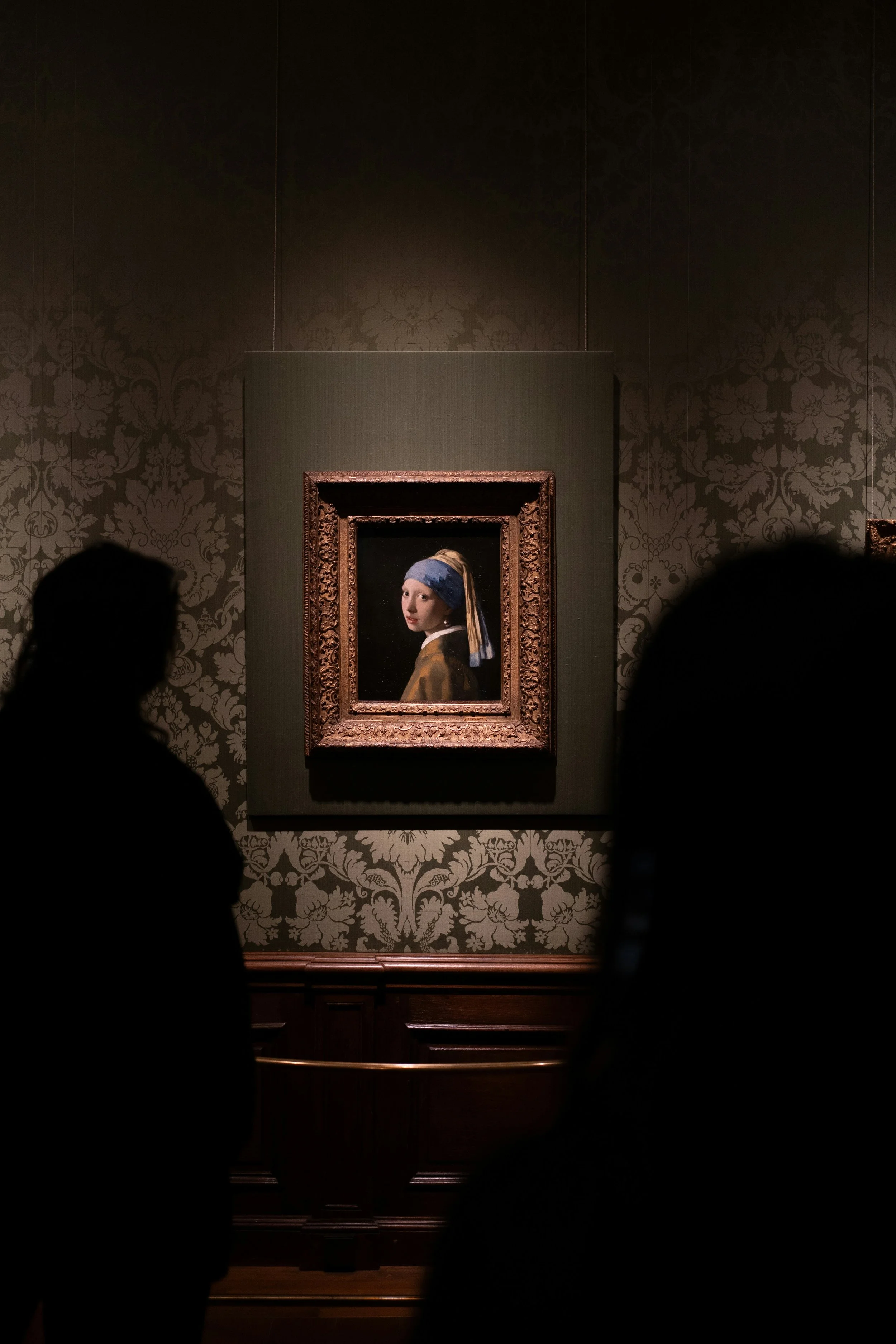
The photographer Fang Guo plays with Vermeer’s Mannerist Style. He takes a picture of people looking at The Girl with a Pearl Earing, reminding us that we viewing not the world, but an artist’s version of it.
Mannerism then split. One path was satire, with its austere but baroque contrivances (think of the crude 18th-century cartoons). The other was the continuing Baroque proper, where everything became bigger, louder, richer. You still see that today in salons with their gilded frames and bling. Both paths kept inflating the creations of the human mind — wonderful and terrible alike. By the end of the 18th century this became Romanticism. Think of Mary Shelley’s Frankenstein. That’s what came out of these ideas.
I hope you are enjoying this. Love you to subscribe. And do tell me what you think. New questions, not dogma is the Simulist mode
But Frankenstein isn’t reality. Realism in the 19th century tried to bring us back: “let’s just show the world as it is.” The results were some of the great works of literature: Dickens, George Eliot, Hardy.
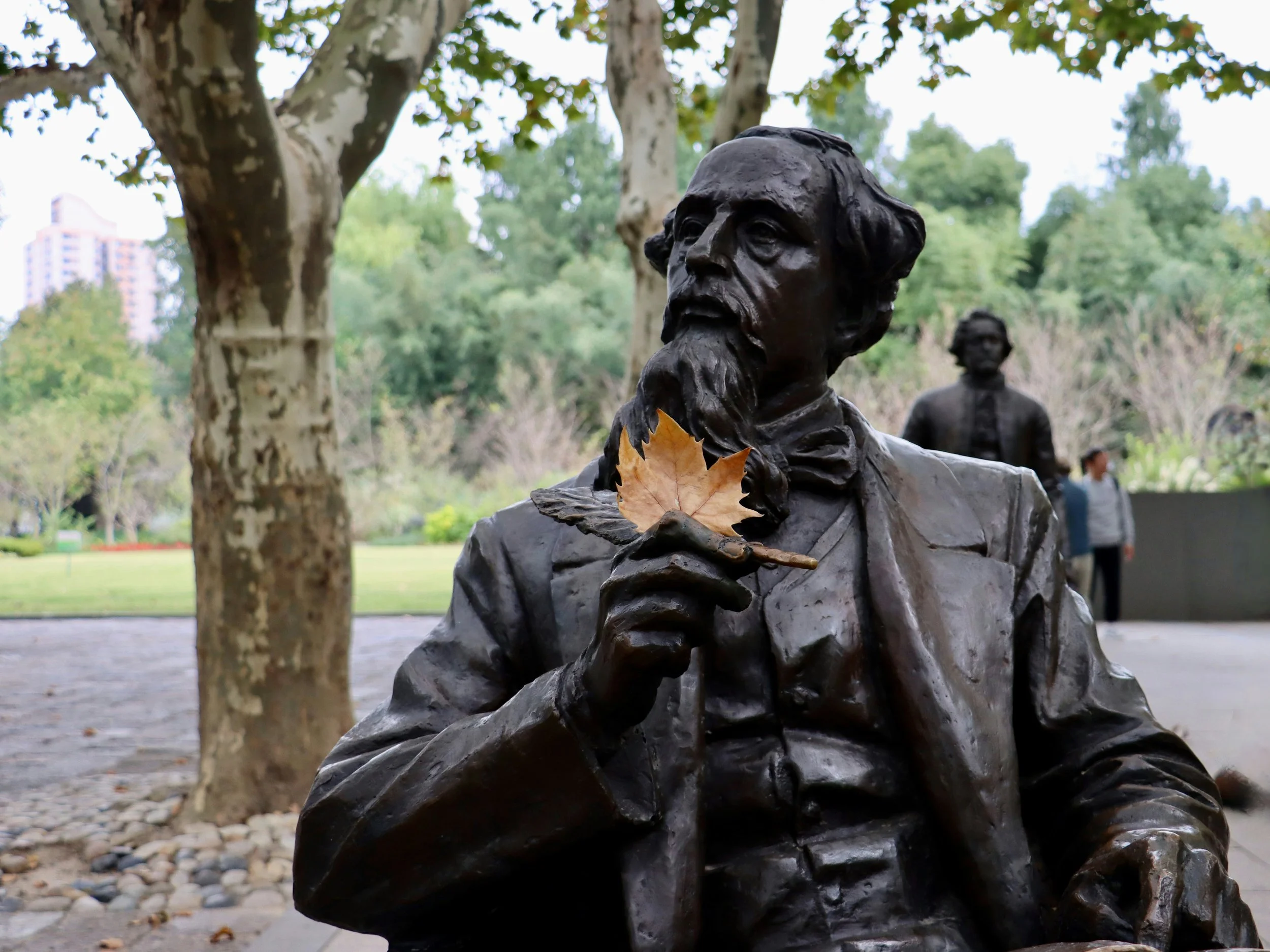
Charles Dickens Photo:Taha
The trouble is, reality is always seen through one person’s eyes. Realism too turned out to be a kind of cheat — one person’s version (and, thanks to power, often a white Englishman’s).
So the world moved to Modernism, late in the 19th century. Modernism tried another repair by turning inward: one consciousness, one stream of thought, as if the whole of reality could be grasped in a single subjective voice. It produced works like The Great Gatsby. But Gatsby himself, as you’ll know if you’ve read the book or seen the film, collapses under the weight of his own invented self. Fragility — a reworking of vanity — became the emblem of profundity. Once again, the pattern broke down, this time into Postmodernism: a new Mannerism of irony and pastiche.
Postmodernism left us in a disjointed world: longing formeaning butt finding only irony. Think of Tarantino’s Pulp Fiction. You never find out what’s in the suitcase, and that’s the point — so much fuss about nothing. But “nothing” is a poor lunch for a mind that needs a diet of meaning.
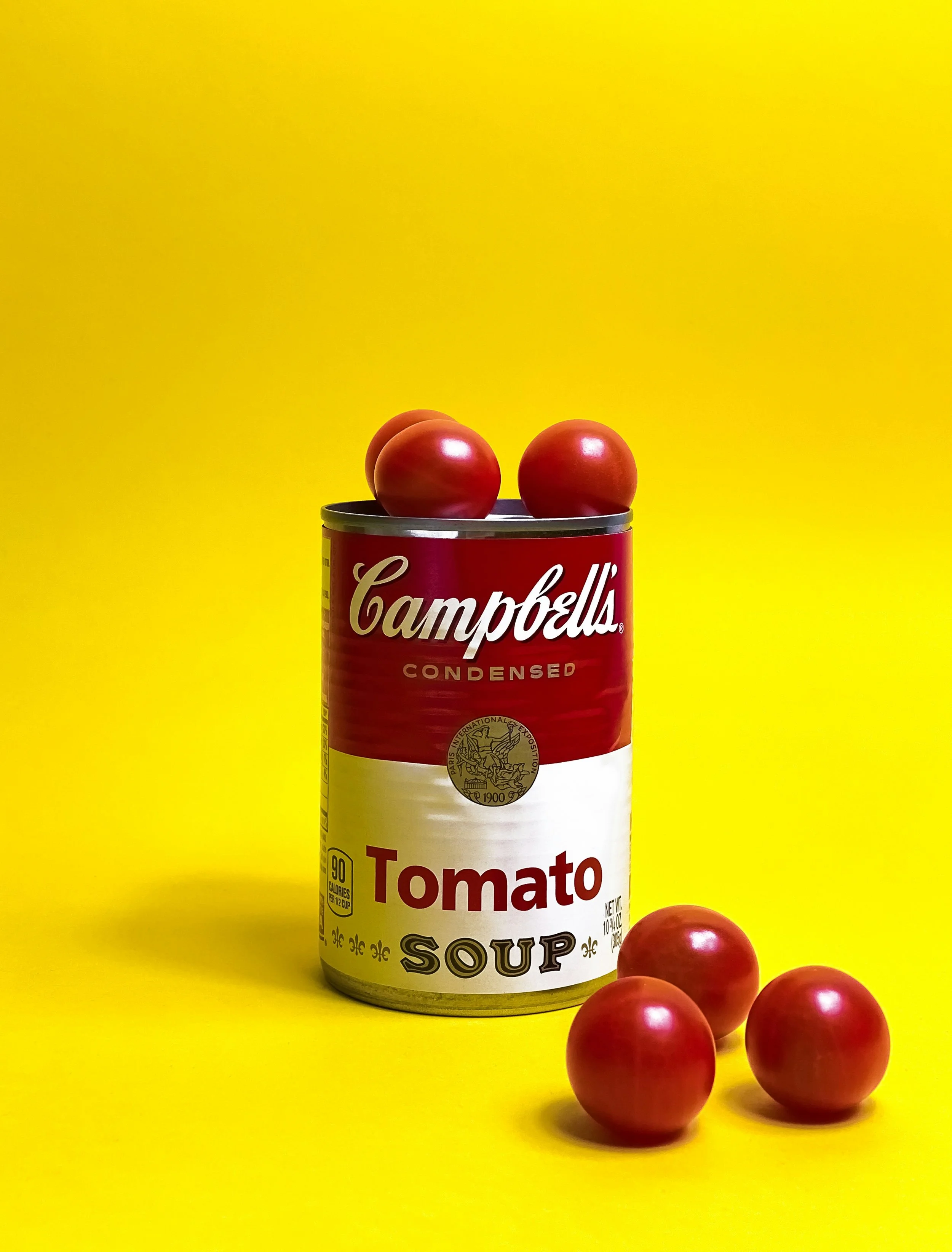
The photographer has made a post-modern image of a post-modern image. Andy Warhol famously painted a picture of Campbell Tomato Soup cans. It was ironic as it elevated the trivial as it it were art. Photographer Anastasiya Badun has added another layer of irony. Here the Warhol subject is remembered and beautified in a nod to a 17th Century Dutch still life.
That leaves us today in a similar fix to when Mannerism ran its course (read more)